
What to know first about Roses
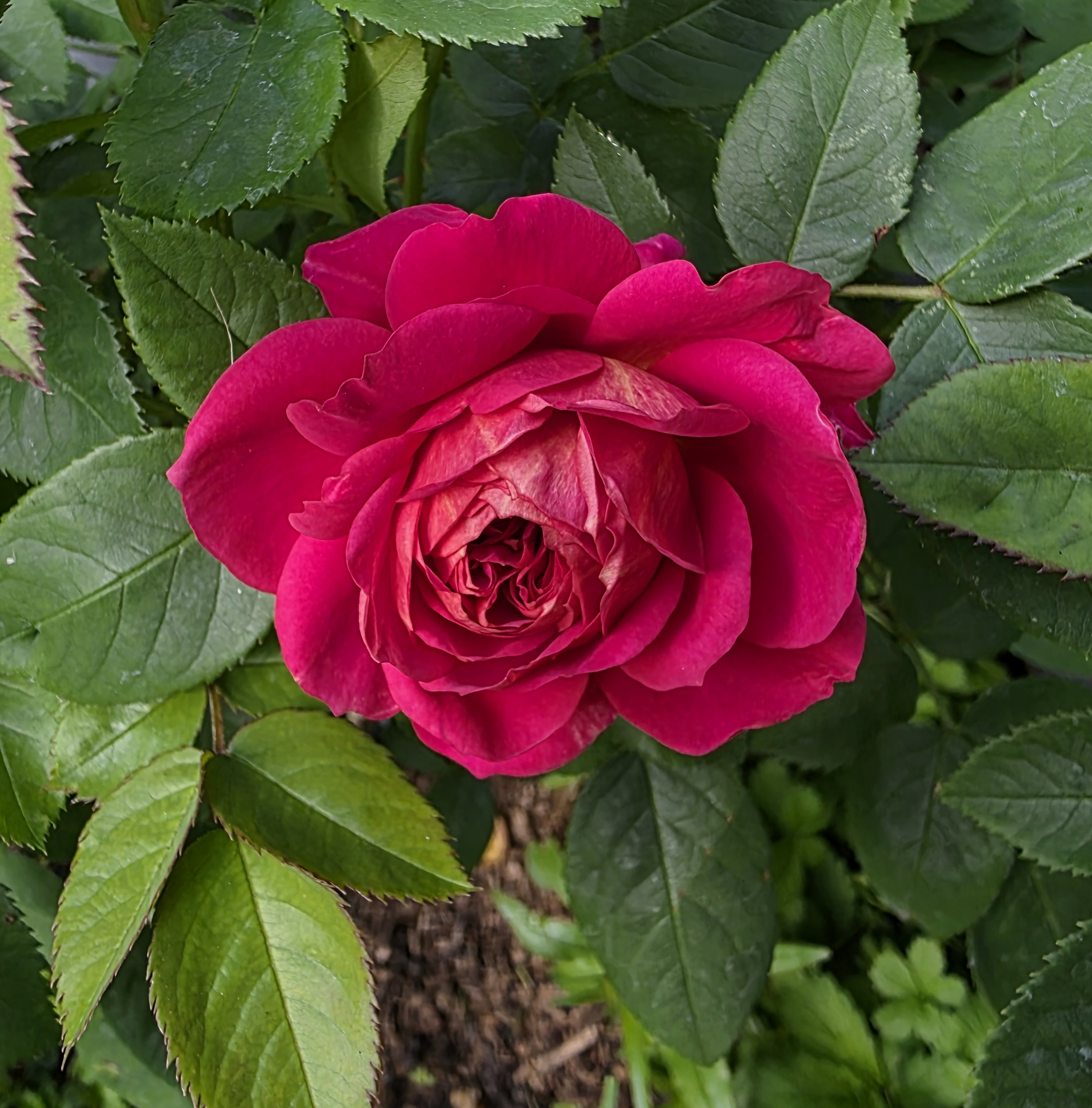
Roses can feel a bit intimidating when you are starting out. You hear about pruning, black spot, feeding, deadheading, full sun, bare-root, potted, shrub, climber… and somehow a very beautiful flower starts sounding like an administrative burden.
It really does not need to be that complicated.
This guide brings together the rose-growing articles I think are actually useful when you are learning. So whether you are planting your first Rose in a pot, trying to work out what might suit your border, or quietly realising you may be becoming a Rose person, this is a good place to begin.
What to know first about Roses
If you are new to Roses and not sure where to begin, start with these:
How to grow Roses for beginners
The place to start if you want the basics explained properly, including how to choose between bare-root and potted Roses, where to plant them, and how to help them settle in well.
Read article →
How to care for Roses in spring
The key spring jobs that make a real difference, from tidying and feeding to mulching and spotting problems before they turn into bigger ones.
Read article →
Best Roses for pots
A practical guide to growing Roses in containers, including choosing the right pot, the right position, and a care routine that actually works.
Read article →
Best disease-resistant Roses for beginners
A helpful guide if you want Roses that are more likely to stay healthy, flower well, and feel less high-maintenance from the start.
Read article →
Choosing the right place
A lot of success with Roses comes down to putting them in the best possible spot from the start. That does not mean your garden has to be perfect, but it does help to be realistic about light, airflow, and space.
Best Roses for shady spots
What kind of shade Roses can cope with, what to expect from a less sunny position, and how to make that area work harder for you.
Read article →
Best disease-resistant Roses for beginners
If your garden is a bit awkward, choosing healthier Roses from the outset can make life much easier.
Read article →
Keeping them looking good
Once your Roses are established, these are the care jobs that make the biggest difference without making the whole thing feel like a second career.
How to deadhead Roses
Where to cut, when to do it, and how deadheading helps keep repeat-flowering Roses looking tidy and blooming well.
Read article →
How to feed Roses for healthy growth
A straightforward guide to feeding Roses, including when to do it and how to support healthy growth, good foliage, and strong flowering.
Read article →
How to prevent and treat common Rose diseases
A calm, beginner-friendly guide to spotting common problems, improving conditions, and responding without immediately assuming the worst.
Read article →
Roses in my garden
This is where the practical advice meets the more personal side of it — and also where it becomes fairly obvious that I do, in fact, have quite a lot of Roses. I regret nothing.
The Roses in my garden
A closer look at the Roses I grow, why I chose them, how they perform for me, and what they bring to the garden over the course of the season.
Read article →
Best companion plants for Roses
How to pair Roses with flowers and foliage that soften the look, support pollinators, and make borders feel more layered, romantic, and considered.
Read article →
My philosophy
I do not think growing Roses needs to feel intimidating or overly precious. To me, it is much more about understanding what they need, giving them a good start, and then staying on top of the simple things that really matter.
That usually means choosing the right Rose for the right spot, making sure it has enough light and airflow, feeding it properly, and dealing with small issues before they become bigger ones. In other words: less drama, less panic, and better flowers.
That is very much how I approach gardening as a whole. I am not interested in making it feel exclusive or complicated for the sake of it. I want it to feel thoughtful, enjoyable, and achievable, because once Roses click, they really are such a joy.
FAQs
Before you fall down the rabbit hole, here are the practical questions that tend to matter most. Once these feel clear, the rest becomes much less intimidating.
Yes, absolutely. Roses can seem intimidating at first, but once you understand the basics, they are far more manageable than people often expect.
Both can work beautifully. Pots are brilliant for patios, smaller spaces, and keeping Roses close to where you will actually enjoy them. Borders, meanwhile, usually give them more room to establish and grow.
Some can cope well with part shade or dappled light, but most roses will flower best in a
sunnier position. Deep shade is usually much harder.
Yes, they do appreciate it. Roses are hungry plants, especially in the growing season, and feeding helps support healthy growth, foliage, and flowers.
Not always. Some Roses are much healthier than others, and good growing conditions make a real difference too. Choosing well at the start saves a lot of stress later.
Not sure where to start? Start with:

1. How to grow roses for beginners
2. How to care for roses in spring
3. Best roses for pots
That’s the quickest route to feeling more confident with roses.
My philosophy
I do not think growing Roses needs to feel intimidating. Instead, it needs to feel thoughtful. I would much rather choose the best position I can, give Roses enough light and airflow, feed them properly and stay on top of small jobs before they turn into bigger problems than overcomplicate everything and make Roses feel like they are only for experts.
That is very much how I approach gardening as a whole. Less fear, more understanding, better flowers.
Read next
How to deadhead roses
How to feed roses for healthy growth
How to prevent and treat common rose diseases